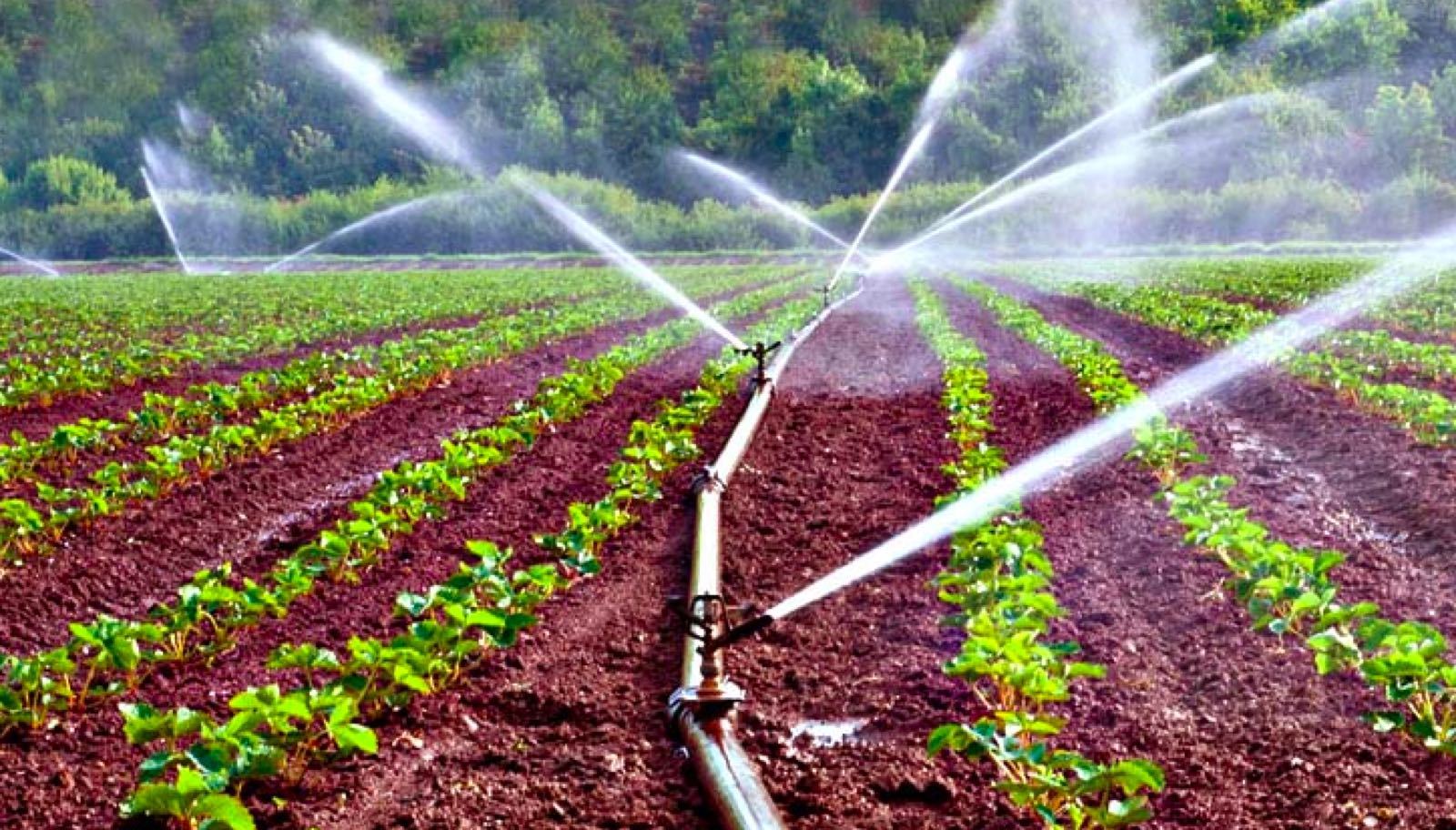
A Complete Guide to Precision Irrigation in African Agriculture
Water is the most precious and the most threatened resource in African agriculture. Faced with recurring droughts, irregular rainfall, and growing pressure on groundwater, the farmers who fare best are the ones who have learned to control every liter. Precision irrigation is today one of the most significant advances for agriculture on the continent: it delivers higher yields while using far less water.
In this complete guide, we explain how precision irrigation works, what its essential components are, and how you can adopt it on your farm.
Understanding Precision Irrigation
Precision irrigation means delivering the right amount of water, to the right place, at the right time. Unlike traditional flood or blanket sprinkler irrigation, this approach takes precise parameters into account to optimize every application.
The factors considered include:
- Soil moisture levels — measuring the water actually available to the roots
- Crop-specific water requirements — which vary by species, variety, and growth stage
- Weather conditions — temperature, humidity, wind, and solar radiation all influence evapotranspiration
- Crop growth stage — a plant’s water needs at flowering are not the same as during the vegetative stage
This systemic approach avoids both water stress — which reduces yields and weakens plants — and excess water, which causes root suffocation, leaches nutrients, and favors fungal disease.
Key Components of a Precision Irrigation System
1. Soil Moisture Sensors
Soil moisture sensors are the eyes of your irrigation system. Installed at various depths within the root zone, they continuously measure the soil’s volumetric water content. Their data feeds into a central controller that can automatically trigger irrigation when the minimum threshold is reached, and stop it once field capacity is restored.
These sensors come in several technologies — tensiometers, TDR (time-domain reflectometry) sensors, capacitive sensors — spanning a wide price range that fits the budgets of African farms of any size.
2. Smart Controllers
The controller is the brain of the system. Modern models include advanced functions:
- Automatic scheduling of irrigation cycles based on sensor data
- Weather-based adjustments through connections to local weather stations or satellite data
- Remote monitoring via smartphone or tablet, letting you manage irrigation from anywhere
- Anomaly alerts — leaks, pump failure, insufficient supply pressure
These functions dramatically reduce the workload involved in monitoring and manually managing irrigation.
3. Efficient Delivery Systems
How water is delivered is crucial to minimizing losses:
- Drip irrigation delivers water directly to the base of each plant through tubing and emitters. It’s the most water-efficient method, ideal for vegetable crops, orchards, and greenhouse cultivation.
- Micro-sprinklers spread water in fine droplets over a limited area. They work particularly well for densely planted low crops or nurseries.
- Pressure-compensating emitters maintain a constant flow rate even when terrain topography creates pressure variations across the network, ensuring even distribution on sloped plots.
Benefits of Precision Irrigation for African Agriculture
Substantial Water Savings
Studies on comparable African farms show water savings of 40 to 60% compared to traditional gravity irrigation. In a context where water resources are becoming scarcer and pumping energy costs are rising, this advantage translates directly into lower operating costs.
Increased Yields
By delivering exactly what plants need, exactly when they need it, precision irrigation eliminates the water stress that drags down yields. Increases of 20 to 50% have been documented depending on the crop and starting conditions.
Improved Product Quality
Regular, well-controlled water supply promotes uniform fruit and vegetable development: consistent sizing, better sugar content, firmer texture. These quality criteria are increasingly valued by buyers, particularly for export markets.
Reduced Disease Pressure
Excess moisture on foliage — common with overhead sprinkler irrigation — creates ideal conditions for fungal diseases like downy mildew or botrytis. By keeping foliage dry and targeting water at the soil, drip irrigation significantly reduces fungal pressure.
Less Labor
Automated systems free up valuable working time. Instead of manually moving hoses or monitoring furrows, farmers can put their energy into other higher-value tasks.
Implementation Steps
Step 1: Assess your farm Evaluate your current crops, the area to be irrigated, your available water source (borehole, reservoir, network), and your budget. This initial analysis shapes every technical choice that follows.
Step 2: Select the right technology There is no one-size-fits-all solution. The technology you choose must match your crops, soil, topography, and maintenance capacity. A specialist like Arbre Bio Africa can help you compare the options available on the local market.
Step 3: Install the equipment Installing a precision irrigation network requires careful planning: pump sizing, flow rate calculations, laying pipework and sensors, and configuring controllers. A well-executed installation will last many years with minimal maintenance.
Step 4: Train your team Technology is only useful if the people running it know how to use it. Train yourself and your staff to read sensor data, program controllers, and follow preventive maintenance procedures.
Step 5: Monitor and optimize The first seasons of use are a learning phase. Observe how your crops respond, adjust irrigation thresholds, and compare water use and yields season after season. Precision irrigation becomes more effective as you build up knowledge of your specific plot.
Precision irrigation isn’t a luxury reserved for large industrial farms. It’s an economic and environmental necessity for any African farmer looking to stay competitive in an increasingly difficult climate.
Arbre Bio Africa supports farms of every size in the design, installation, and follow-up of their precision irrigation systems. Combined with a greenhouse and a coco peat growing substrate, drip irrigation forms the backbone of a modern, water-efficient production setup. Contact our team for a personalized assessment tailored to your needs and budget.